Animate your character the way the 1930s did. For games, film, video, motion and the web.
or scroll
Made the way they made them.
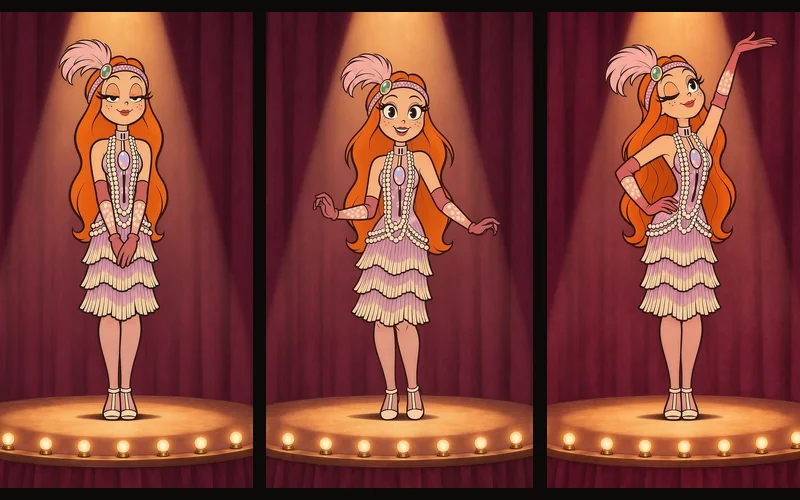
Model sheet, boards, key drawings, in-betweens, on twos. The method of a 1930s animation department, with an agent at the desk and you directing. Keeping a character on model across hundreds of drawings is the hard part, and it is what this is built for.
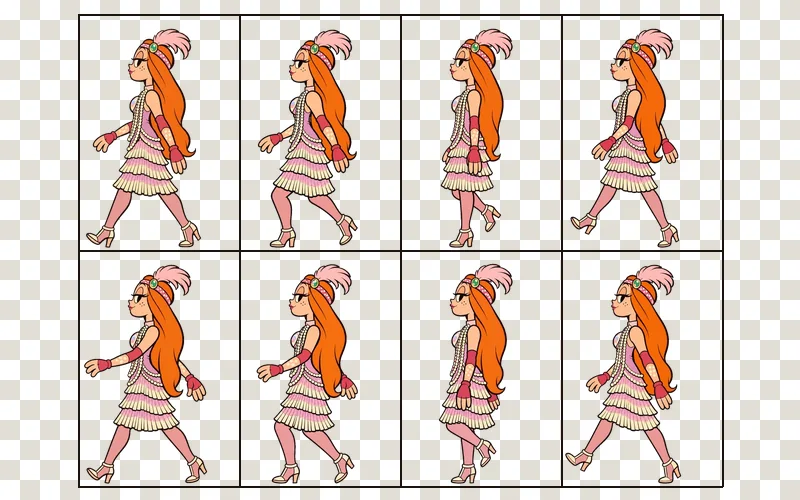 Your gameEvery action from one approved sheet, on one canvas, on the same feet. Exports a sprite sheet and atlas.
 Your animationWhole shots and shorts, drawn and held on twos.
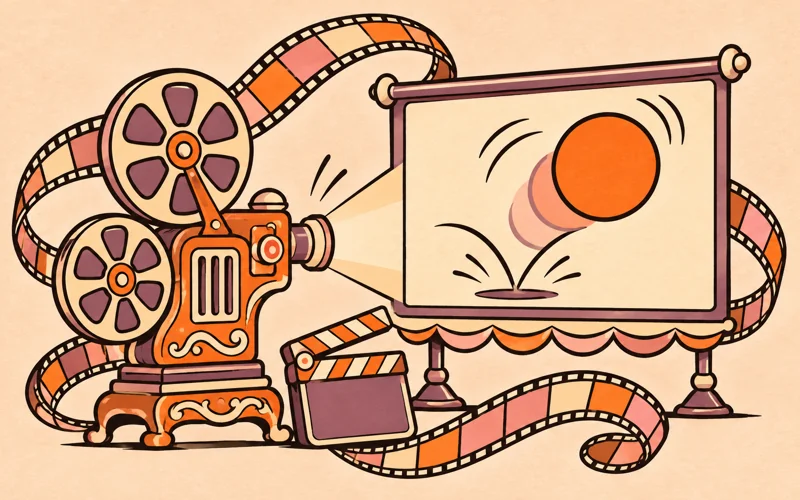 Your videoExplainers, ads, titles, music videos and motion graphics.
 Your websiteCharacters that act on your page: walk on, jump on a headline, bounce through your content.
First, your character.
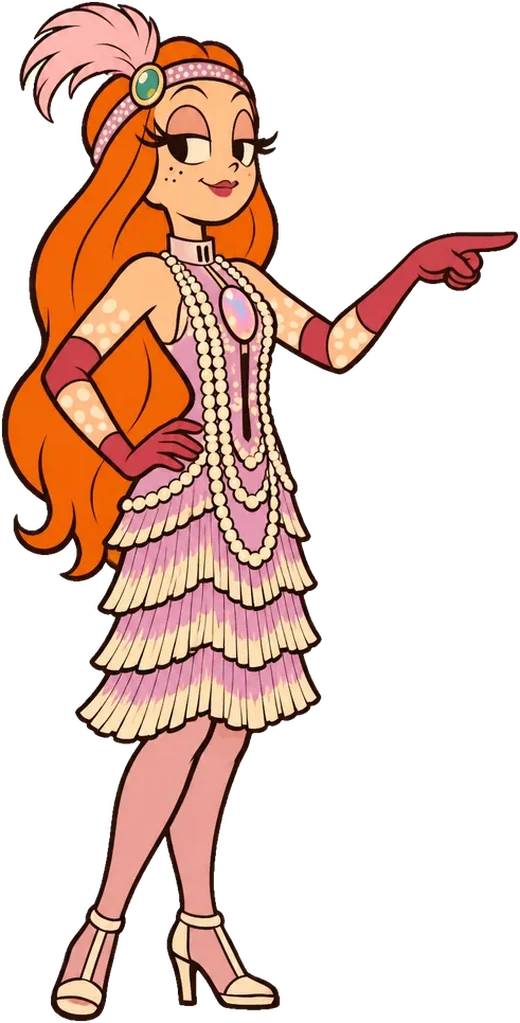
Hand it one image. It writes down what can never change, then draws a model sheet you approve. Everything after is held to that sheet.
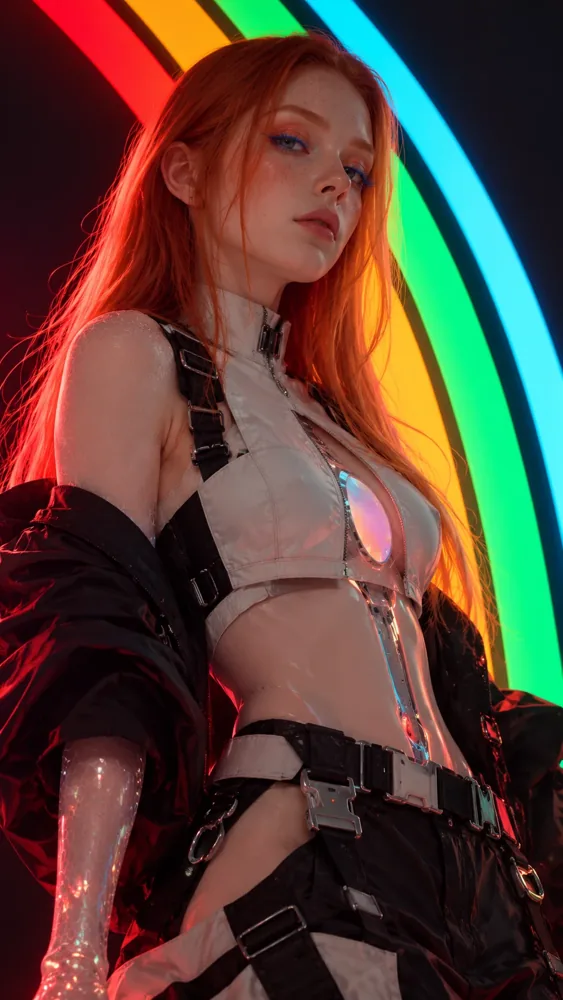
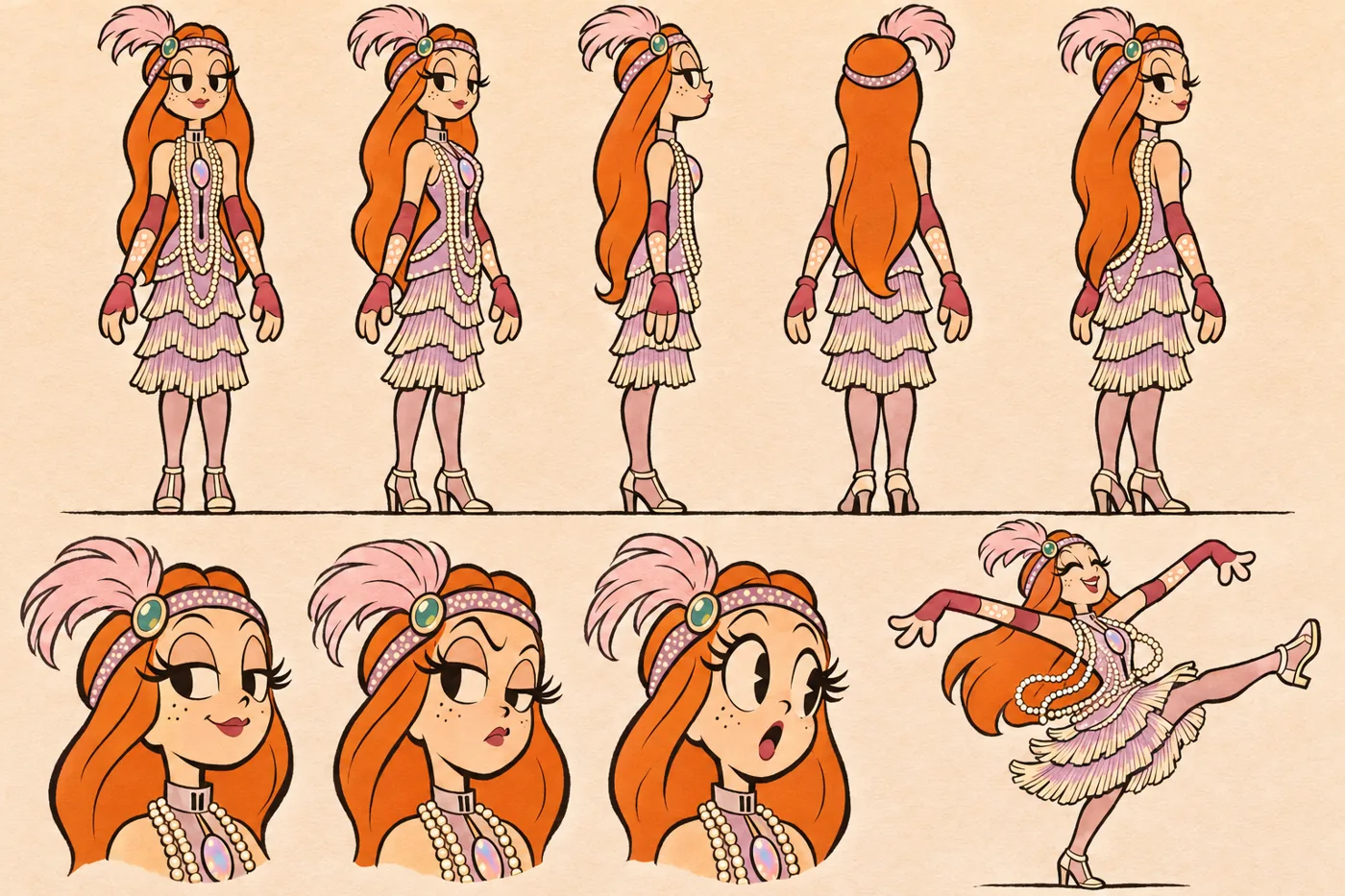
Then it asks first.
Before spending a single frame, it plans each drawing and every limb, and sketches boards. You change them while a change costs nothing.
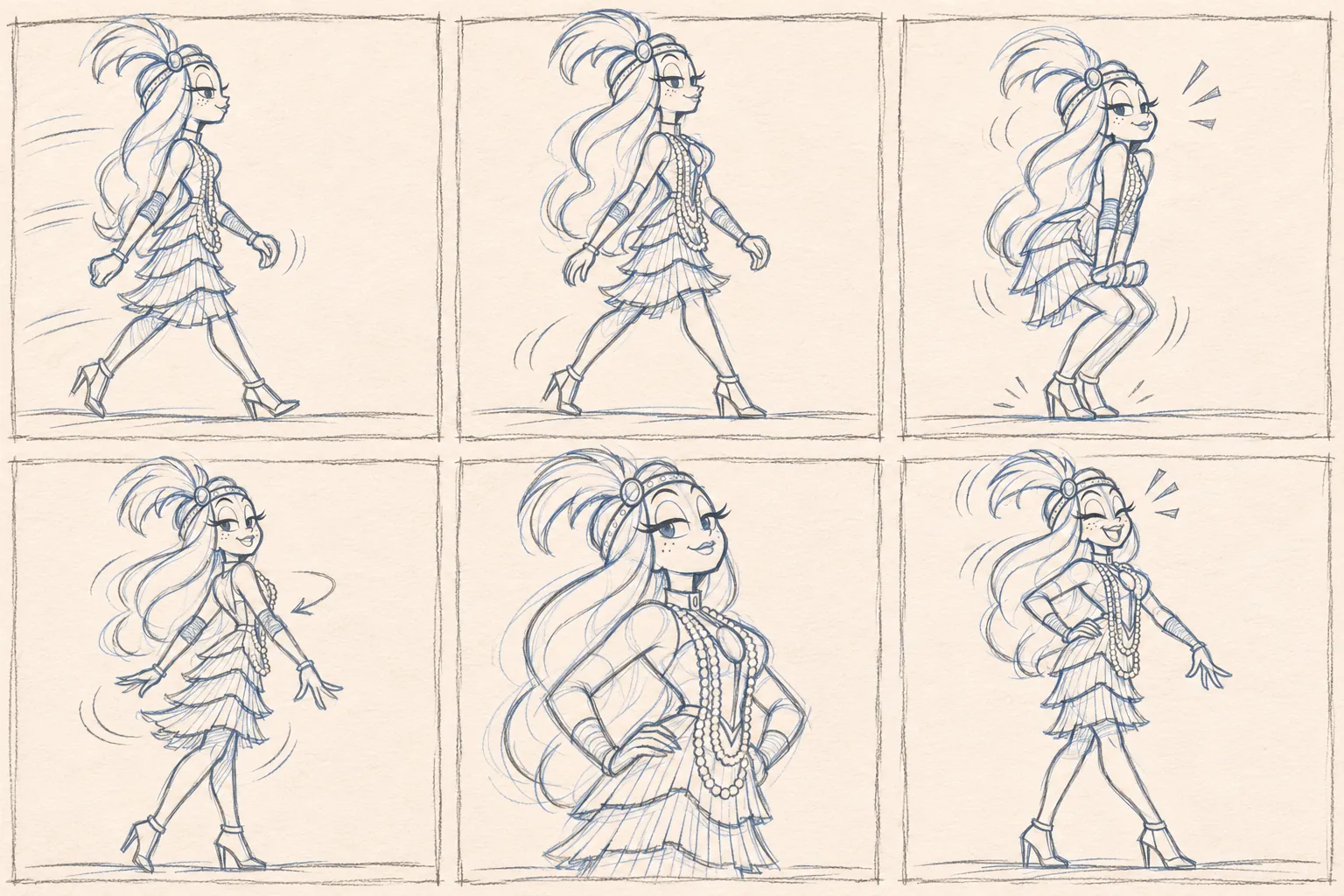
- Characterapprove
- Placeapprove
- Boardsapprove
- Key drawingsapprove
- In-betweensruns
- Frame checkruns
- Final pictureyou
 Approved
Then, drawing by drawing.
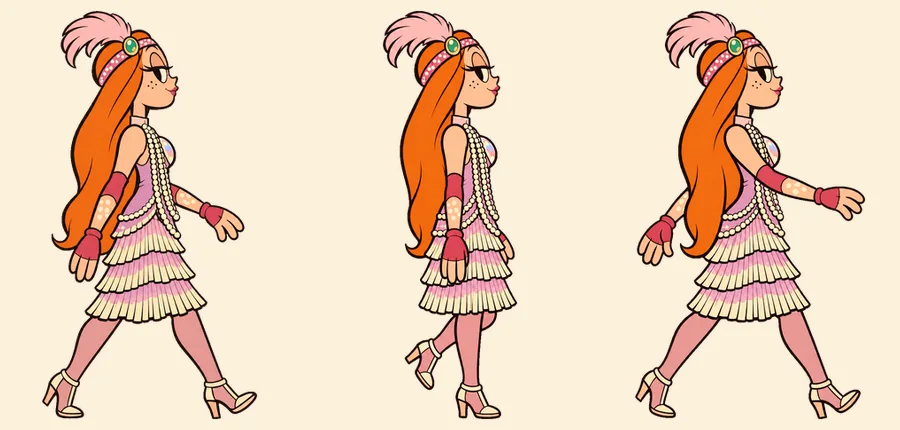
Keys first, then the drawings between them. It opens every frame and redraws what breaks: a melted hand, an arm that jumps, a costume that drifts.
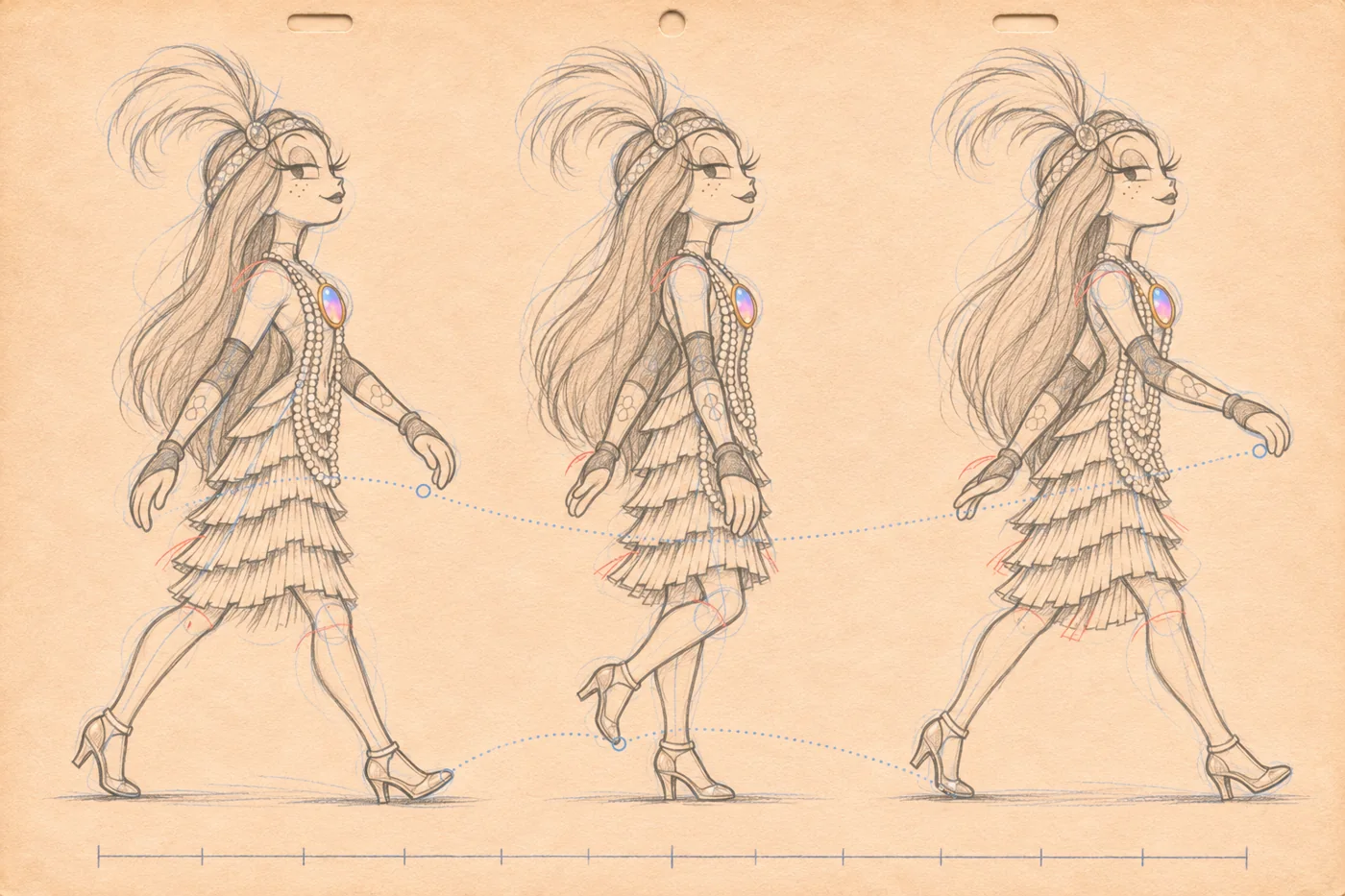
Eight drawings. No frames invented between them.
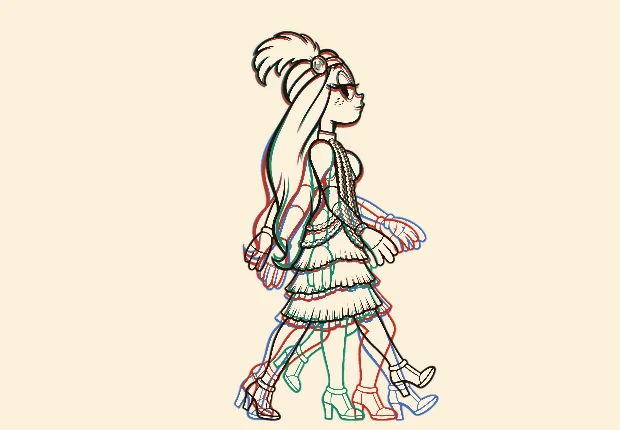
Twelve rules, on every drawing.
The twelve principles of animation are not decoration here. Every plan is written against them and every frame is judged by them. That is why it moves like animation and not like a generated clip. And the method keeps growing: new studies, eras and techniques go in, and the updates reach you.
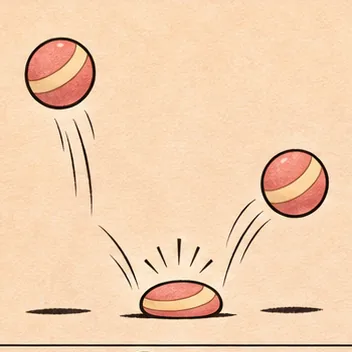 Squash and stretch
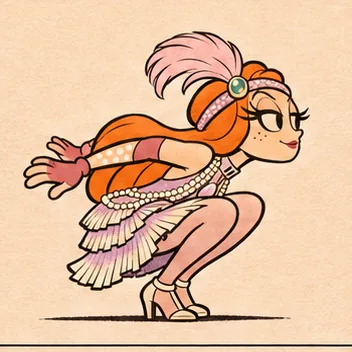 Anticipation
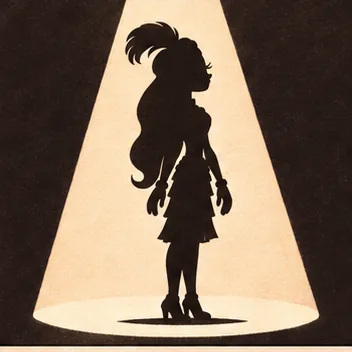 Staging
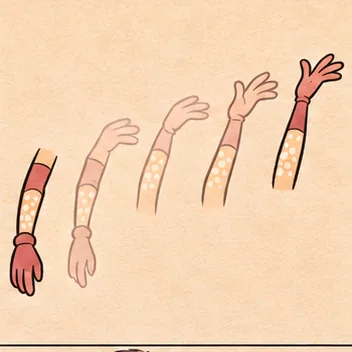 Pose to pose
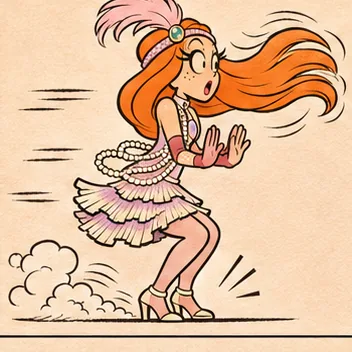 Follow through
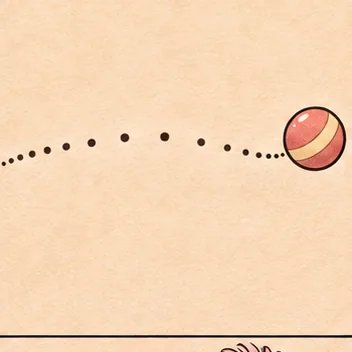 Slow in, slow out
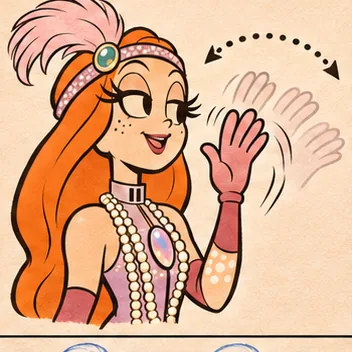 Arcs
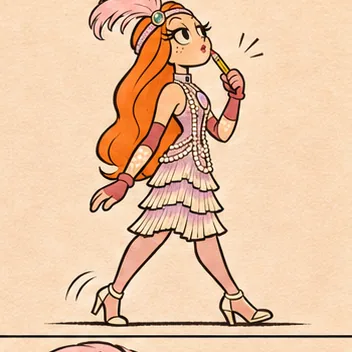 Secondary action
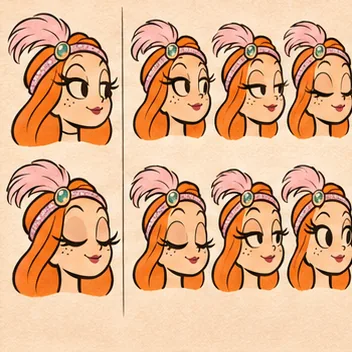 Timing
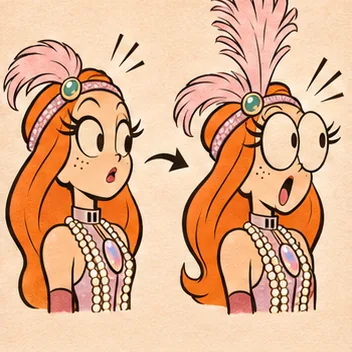 Exaggeration
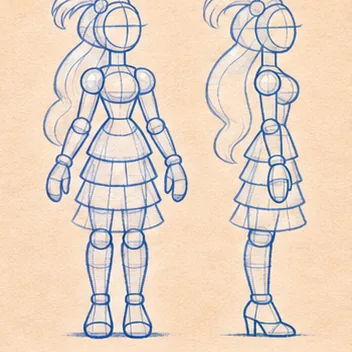 Solid drawing
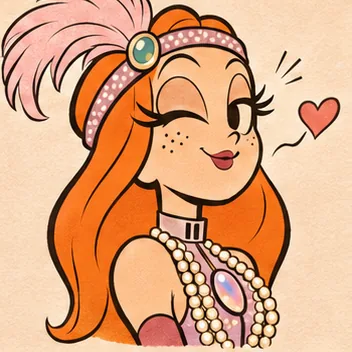 Appeal
One star. Every picture.
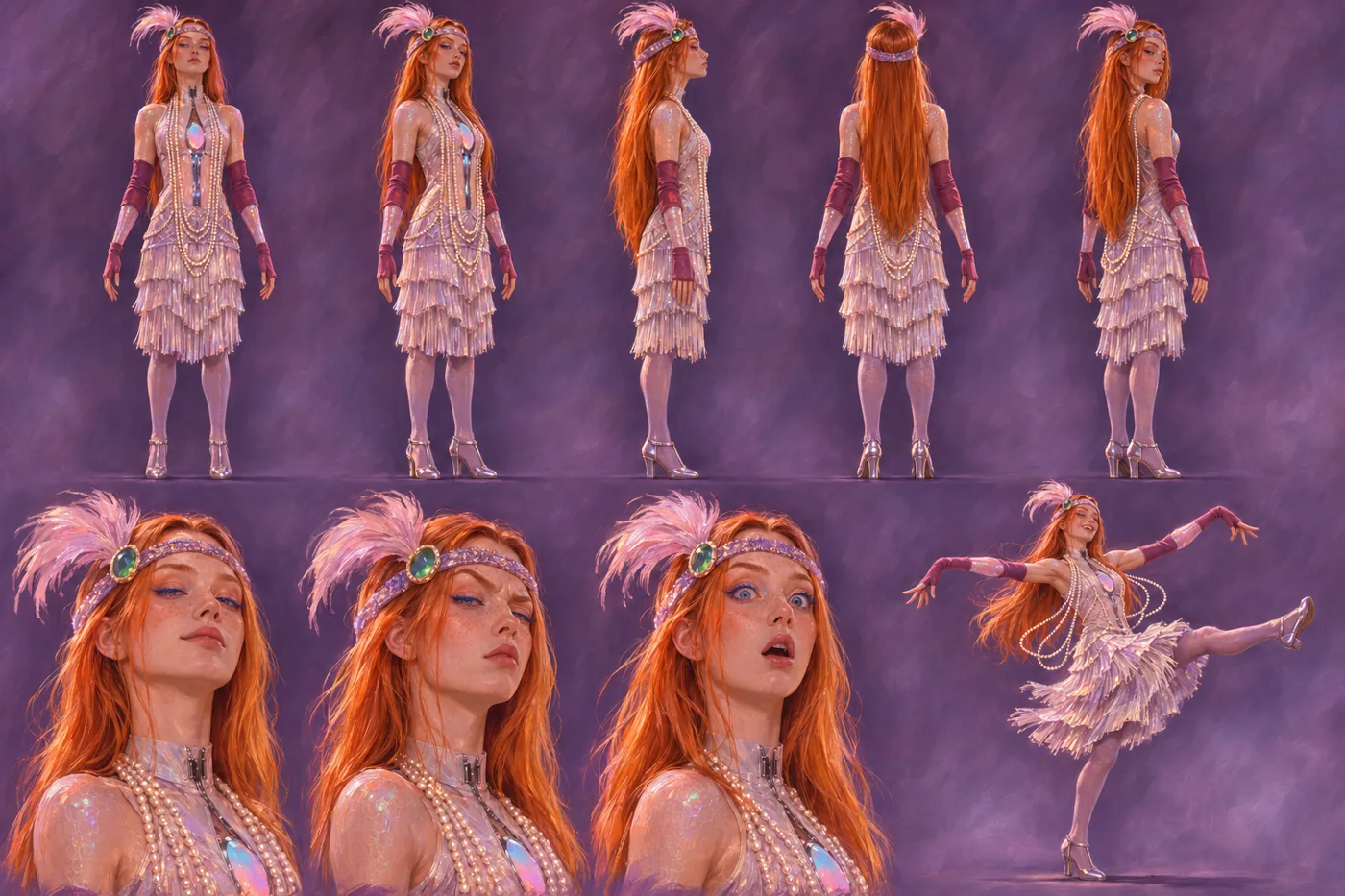
What you get.
The whole method, ready for your coding agent. Give it a character and say what should happen.
Needs Claude Opus 5.5 at medium effort or higher, plus Codex or ChatGPT for the images. Every drawing is a generation on your own plan.
- Your character and world, any eraTurnarounds, faces, poses and places that hold, redrawn as a real production of the period. Includes the 1930s pack.
- Real frame-by-frameIt plans every limb, shows you boards, asks before drawing, checks each frame, and exports for game, film or web.
- Video shotsFrom your approved drawings, your agent prepares each shot, runs it in Google Flow in your browser and reviews what comes back.
- Motion for any screenMotion graphics, scroll-driven pages like this one, and type that moves with real numbers behind it.
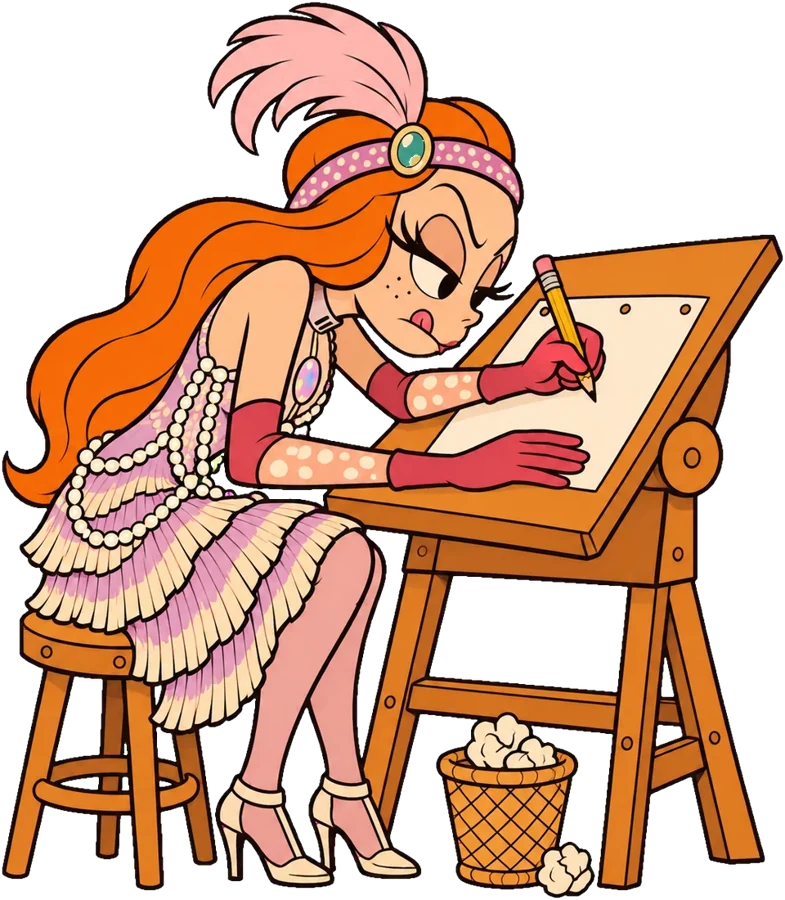
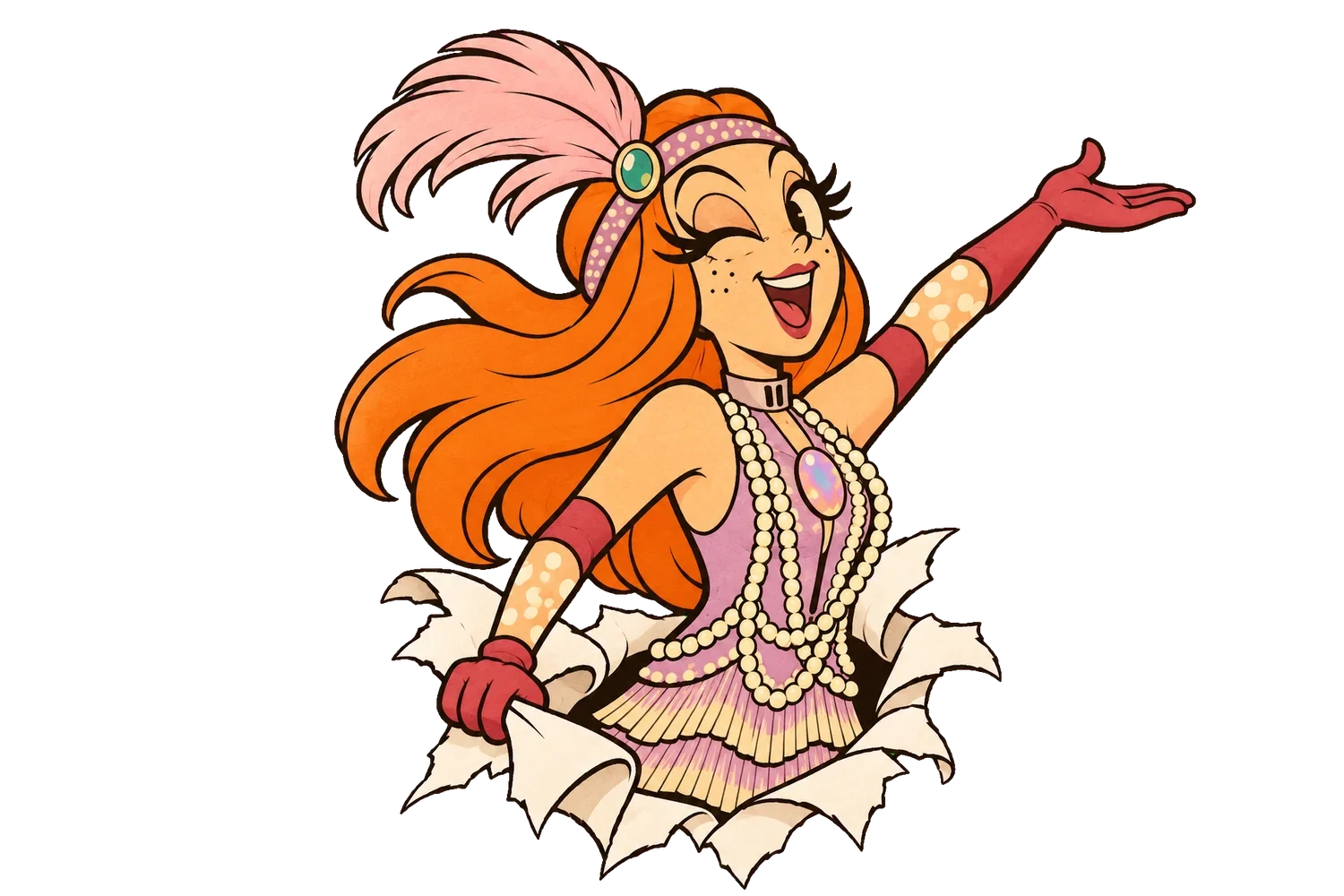
- An assembly manual, and a courseDrawn by Synthia. You learn by making your first picture.
Take a seat.
Pay once. Everything you buy stays in your account, with every update. All sales are final. Terms · Refunds · Privacy
- The Kit$99All 11 skills1930s era packThe assembly manualUpdates to what you ownComing soon
- The Studio$299Everything in the KitThe full course, 7 lessonsProject files and checklistsEvery new era, free as it shipsComing soon
- Era Pack$25One more era of animationIts model rules and paletteAdded to your accountAdd-on for the KitComing soon
- Game Pack$49Pixel art and first-personFor one eraAdd-on, sold on its ownNot included in any planComing soon
The honest part.
- Tested on few subjects. Three characters and one room so far. The game export has not been tried inside an engine yet.
- It costs images. Every frame is a generation on your own plan. It tells you how many before each stage.
- Unseen walls get invented. New camera angles add things you never asked for. Approve them or redo them.
- Hard poses still break. Hands and fast limbs fail most, so it checks them and asks you when it cannot fix them.